

We recently finished a brand new installation called Landscapes of the Imagination at Inspire, Airdrie’s new Public Library & multi-use facility. In this post, we share our approach to public art at the library… the beginning of a longer story, which you can read here!

A stack of beloved books
When working as public artists, we’ve made it our mandate to focus on non-commercial communal spaces: whenever possible, we work in city parks, public buildings, town squares, bike paths, and other free-to-access localities. One of the main benefits of working in the public realm is the opportunity to engage with everyday people on their own turf, outside formal art museums or cultural institutions. Art in the public realm has a closer relationship with identity and belonging, actively contributing to civic discourse, and reflecting the concerns, desires, and possibilities of a community. At its very best, public art can hearken to the intangible stuff that creates the “placeness” of here & now, telling the stories we take for granted (or ignore) in our shared, communal spaces.

Nose Creek Park in Airdrie, Alberta
Because of this mandate, it’s long been our desire to make art for the library… and this year, we were given the chance to do just that.
In his book, Palaces for the People, researcher and author Eric Klinenberg describes the role of libraries as ‘social infrastructure’ – “the kinds of places where ordinary people with different backgrounds, passions, and interests can take part in a living democratic culture.”
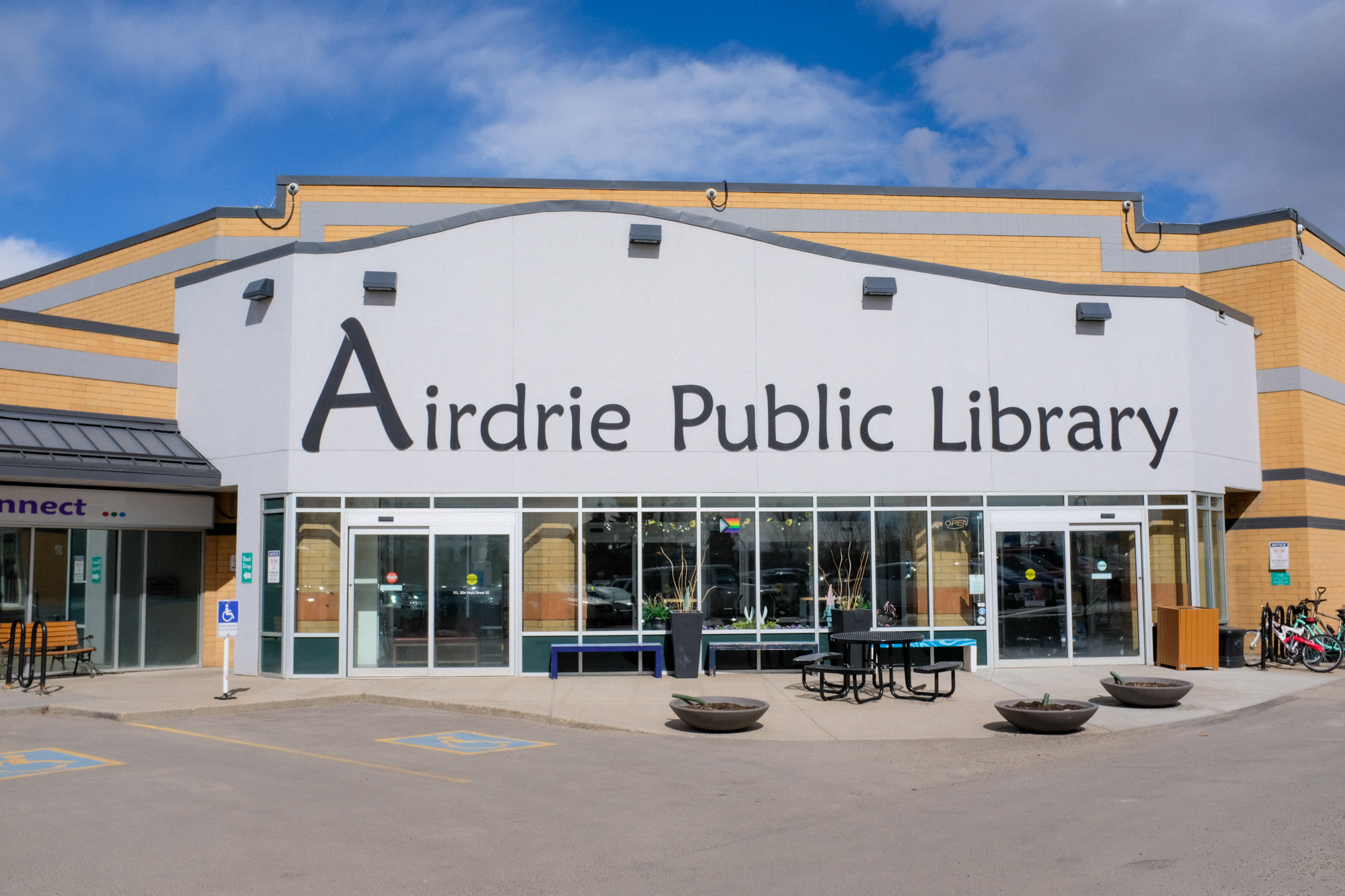


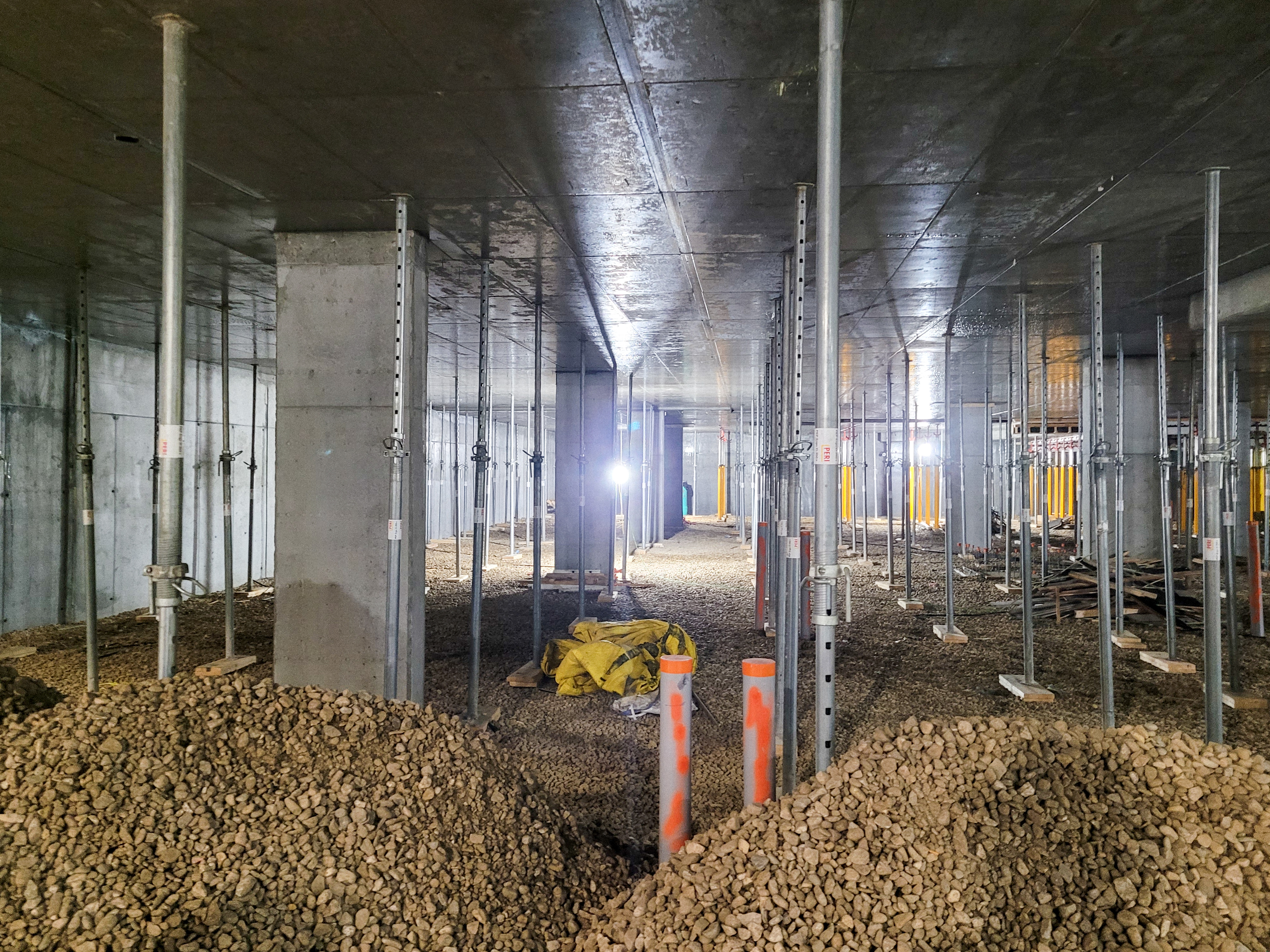

Site Visits to Airdrie while developing Landscapes of the Imagination
We’ve come to understand that contemporary libraries are so much more than buildings for books; they are community centres for public programs, online amenities, archives, active research, social services, immigrant resources, children’s education, and much more. The libraries of today are some of the last truly accessible interior spaces that don’t require visitors to buy anything, a gentle act of resistance to the commercialization of public space.

Notes made during the first site visit to the old Airdrie Public Library, before the concept for Landscapes of the Imagination had congealed.
Most important of all, libraries are places that centre the imagination. What strange magic turns the words written on a page or computer screen into images that dance inside our heads, sometimes more real than the world around us? Libraries are often the first place that children – and many adults – learn to dream, to see possibilities beyond their own experience.

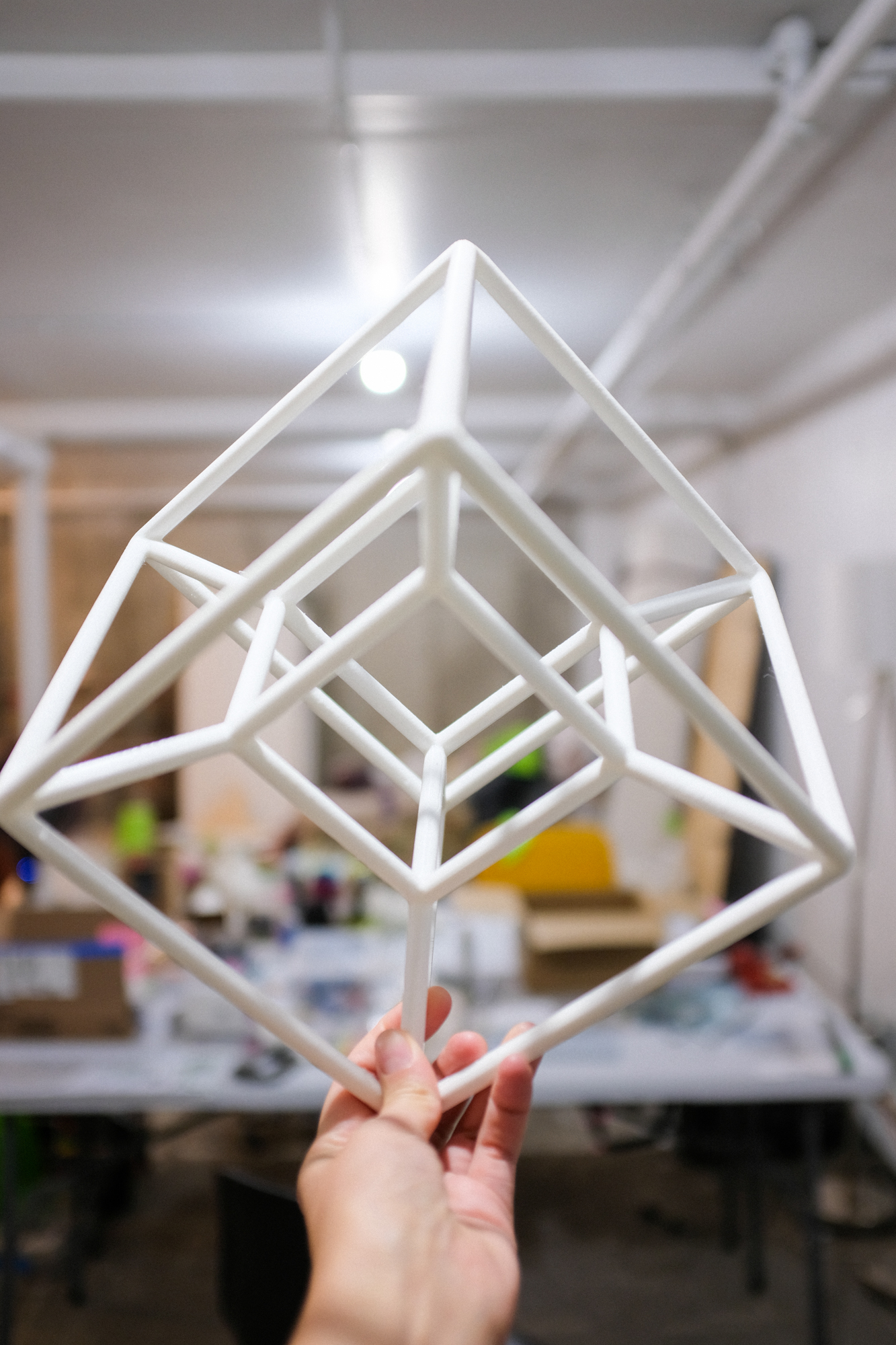


Building Landscapes of the Imagination in our studio at NVRLND
Reading feeds the imagination. We credit the dreamy worlds of books with some responsibility for turning us into imaginative adults. Ironically, it’s possible that libraries have primed us for the opportunity to make art at the library, and we took great joy in imagining something wonderful for the readers and dreamers of tomorrow.
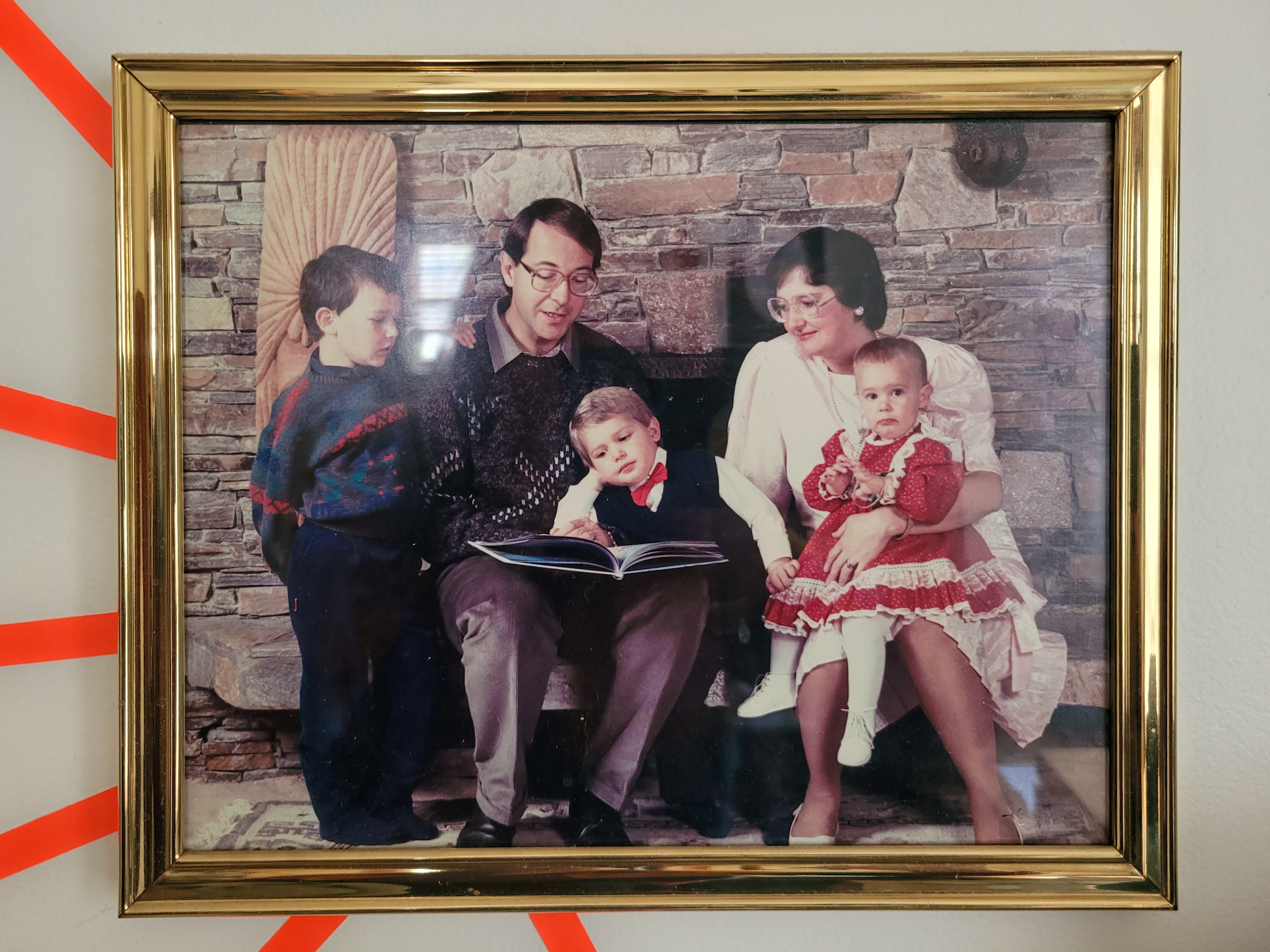
Caitlind’s family (minus her little sister), reading a book together.

We often ask: what can public art do that other forms of urban planning, design, and infrastructure cannot? Art is not about creating something functional (though it can be functional) – it’s more aligned with building curiosity, creating richer and more nuanced narratives for the commons, drawing secrets into the light, and imagining a world that is more open and more possible, for more people. In this way, a good book and a good piece of art are similar.
You can read more about Landscapes of the Imagination on our project website, or stay tuned to this blog.


© Caitlind Brown & Wayne Garrett. All rights reserved.
All content on this site is protected under Canadian and international copyright law. No material may be reproduced or used without prior written authorization from the copyright holders. Works by other artists or photographers remain the property of their respective creators.
Thank you for respecting our intellectual property. For inquiries, email: incandescentcloud@gmail.com.
 Caitlind r.c. Brown & Wayne Garrett